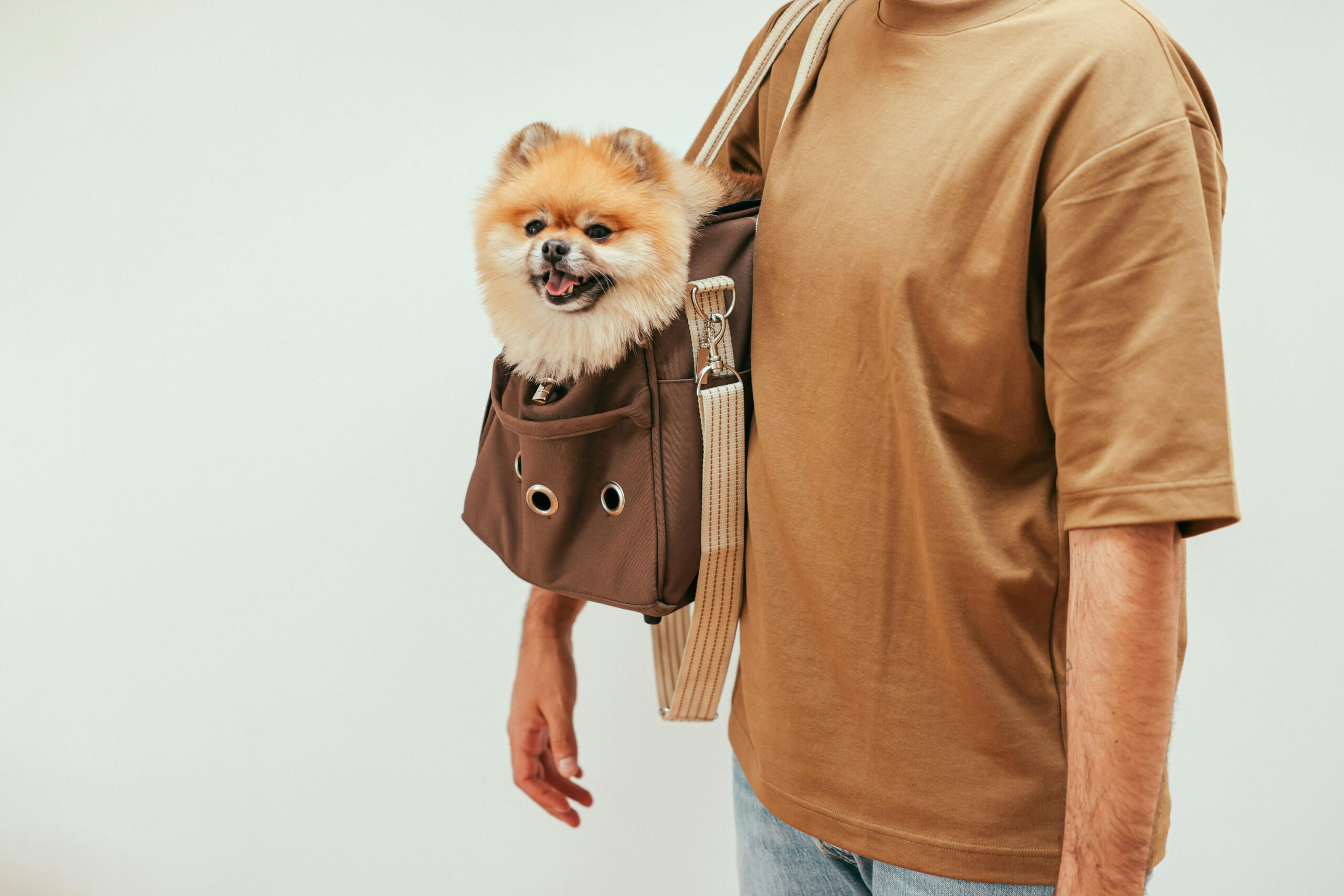
5 Essential Tips for Flying with Pets
Flying with pets can be a rewarding experience, but it requires careful planning. Whether you’re relocating abroad or simply refusing to leave your furry companion behind, the key to a smooth trip with pets is preparation. When I first flew internationally with my dog, I had no idea what I was doing. These 5 essential tips tell everything I wish I knew before booking my ticket.
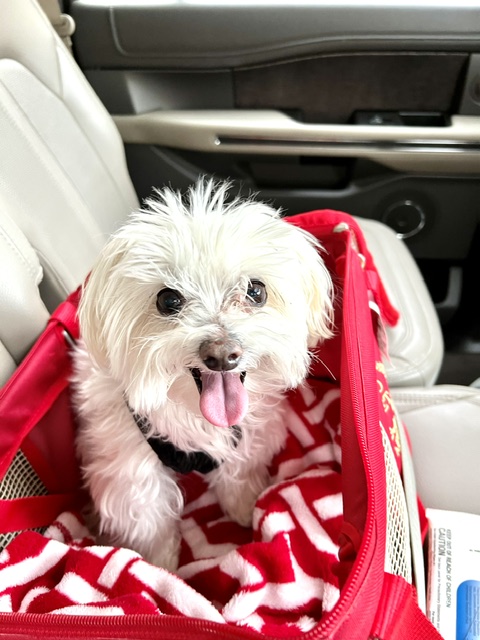 Pre-flight jitters in the car — keep scrolling to see her resting comfortably in the carrier before arriving at the airport
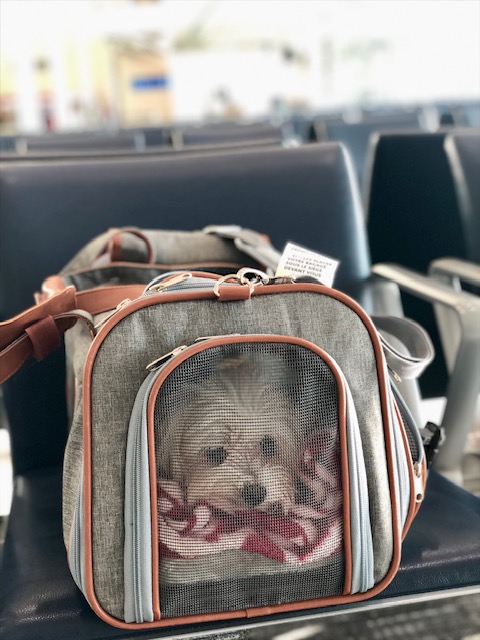 Made it to the gate! Lolla quickly became the most popular passenger in the terminal
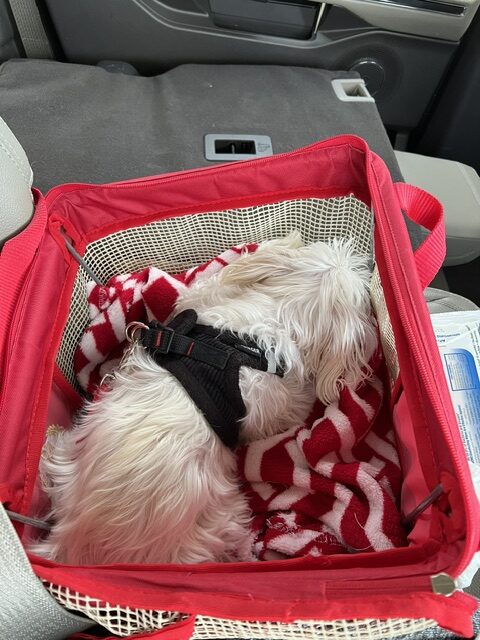 From pre-flight jitters to first class comfort, she figured out travel faster than I did.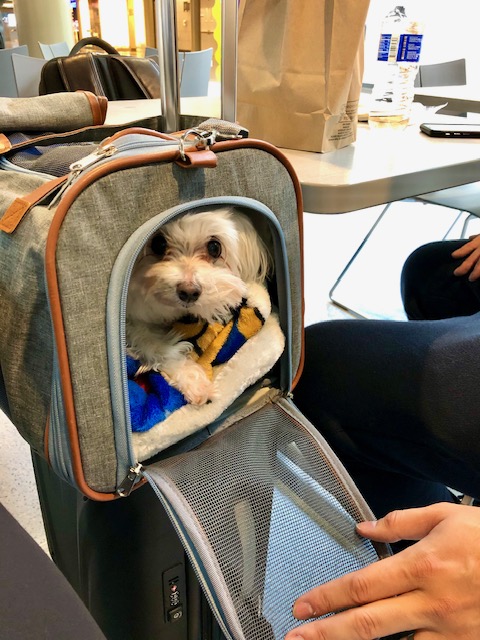
Lolla on her very first flight: she wasn’t sure about the carrier at first but eventually settled right in!
1. Checking destination regulations
Before booking any flights, check the pet entry requirements for your destination country, and do it early, as some countries require paperwork that takes weeks or even months to process. Most international destinations require a valid health certificate issued by a licensed veterinarian within 10 days of travel, proof of up-to-date vaccinations, and in some cases, a microchip. Countries like the UK and Australia have particularly strict biosecurity rules for flying with pets, including mandatory quarantine periods. Whereas countries like Brazil have less strict rules, but still require extensive preparation. Check the official government website for your destination rather than relying on airline information. The USDA APHIS website is a great starting point for US-based travelers flying internationally with pets.
2. Choose the Right Airline
Not every airline allows pets in the cabin, and those that do have very different rules. Some airlines only allow cats and small dogs, others have breed restrictions, such as breeds like pugs and bulldogs due to breathing risks at altitude. Always call the airline directly to confirm their pet policy (and fee) before booking, as policies can change. Important note: due to space restrictions, most U.S.-based airlines don’t allow pets in the Business and First Class cabins.
Always check your airline’s pet policy directly before booking as rules change frequently. Here are the official pet policy pages for the most popular airlines for U.S.-based travel: United, American, Delta, Air Canada, LATAM.
3. Choosing the Right Carrier
If you’re flying with your pet in the cabin, most airlines require a soft-sided carrier that fits under the seat in front of you, typically no larger than 18 x 11 x 11 inches. Your pet needs to be able to stand up, turn around, and lie down comfortably inside (scroll through my images above to see my dog fully lying down in her carrier). Buy your carrier at least 4 weeks before travel so your pet has time to get used to it before the flight. Ensure that the carrier follows the size and weight restrictions (with your pet inside), and choose one that is easy for you to carry as your pet carrier will be your carry-on item!
4. Keep Your Pet Comfortable During the Flight
Long flights can be anxiety-inducing for pets, especially if it’s their first time flying. A few weeks before travel, get your pet comfortable with their carrier by leaving it open at home with their favorite blanket inside. On the day of the flight, keep their regular routine, skipping the meal 4-6 hours before departure to reduce the chance of motion sickness. Bring a toy and a piece of clothing with your scent to reduce anxiety. Never give your pet sedatives unless specifically prescribed by your vet for air travel, as sedation can affect breathing at altitude. During the flight, limit food and water intake to avoid bathroom breaks and make sure you line the carrier with pee pads.
5. Pack Smart for Your Pet
Just like you have a packing list, your pet needs one too. Here’s what to always pack when flying with pets:
- Health certificate and vaccination records
- Collapsible water bowl and bottled water
- Enough food for the trip plus 2 extra days
- Waste bags and small-sized pee pads
- Favorite toy or blanket for comfort
- Any prescription medication with dosage instructions
- A recent photo of your pet in case you get separated
- A tracking device hidden in the pet carrier
Travelling with your pet by car? Check out my article How to Road Trip With Your Dog: 7 Essential Tips
Bonus Tip: Preparing for your Trip Back Home
Returning home with your pet requires just as much planning as the outward journey. Many countries require a new health certificate for the return flight, and some destinations require proof of tapeworm treatment before departure. Start the return paperwork at least 2 weeks before your trip ends and keep all your pet’s documents, vaccination records, health certificates, and microchip information in one folder that travels with you at all times, never in checked luggage. Check the requirements to bring your pet back to the U.S. here!
Frequently Asked Questions About Flying with Pets
Can I bring my dog on an international flight?
Yes, most major airlines allow small dogs in the cabin on international flights. Requirements vary by airline and destination — always check both before booking.
How much does it cost to fly with a pet internationally?
Most airlines charge between $95 and $200 each way for a pet in the cabin. Some international routes charge more — always check your specific airline’s pet fee policy.
Do pets need a passport to fly internationally?
Pets don’t need a passport but do require a health certificate, proof of vaccinations, and sometimes a microchip depending on your destination country.
What is the best carrier for flying with a pet?
A soft-sided carrier that fits under the seat and meets your airline’s size requirements is best. Your pet should be able to stand, turn around and lie down comfortably inside.
Can I sedate my pet for a long flight?
Most vets advise against sedating pets for flights as sedation can affect breathing at altitude. Ask your vet about natural calming alternatives instead.
Flying internationally with your pet takes planning, patience, and a good sense of humor — but it’s absolutely worth it. With the right carrier, the right paperwork, and a calm and prepared pet, your next international adventure can be just as enjoyable for your furry companion as it is for you. Have a tip we missed? Drop it in the comments below!
One Comment