How to Road Trip With Your Dog: 7 Essential Tips
If you’re anything like me, leaving your pet behind is simply not an option. Whether you’re planning a weekend getaway or a cross-country adventure, a little preparation can make a road trip with your dog much smoother, for both of you!
While spontaneous trips with pets are possible (guilty as charged!), planning ahead helps reduce stress, avoid surprises, and ensure your pet stays safe and comfortable throughout the journey. Here are my top tips for a successful road trip with your pet.
1. Get Your Dog Comfortable With Car Rides
If this is your dog’s first road trip, or if they tend to get anxious or carsick, start with a few short practice drives before your trip. This helps them become familiar with the movement of the car and creates a more positive association with travel. Gradually increasing the length of the rides can help ease anxiety and reduce motion sickness during long drives.
2. Research Pet-Friendly Accommodations
Never assume every hotel or rental accepts pets. Even small dogs may not be allowed at certain hotels or vacation rentals. Sites like BringFido and Petswelcome make it easy to search for pet-friendly stays and filter by location, pet size, and type. Before booking, carefully review the hotel’s pet policy, including any weight or breed restrictions, pet fees, and rules about where pets are allowed on the property. Some accommodations advertise themselves as pet-friendly but still have strict guidelines, so reading the fine print can save you from unexpected issues at check-in.
 The Resort At Glade Springs, WV
 Sheraton Grand Nashville Downtown, TN
3. Use a Pet Car Seat or Safety Restraint
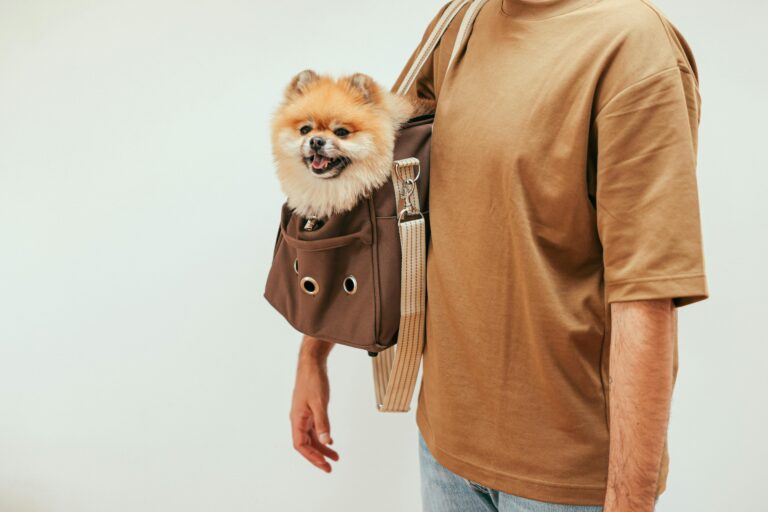
Yes, you read that right — dogs need to be secured in the car too! For small dogs, a car seat or travel carrier helps keep them safe and comfortable. Larger dogs should wear a crash-tested seat belt harness attached securely to the vehicle. Not only does this protect your pet in case of sudden braking or an accident, but it also prevents distractions while driving.
4. Pack More Food and Water Than You Think You’ll Need
If your dog follows a special diet or eats a specific brand, finding their food on the road may not be easy. I always recommend bringing enough food for the entire road trip with your dog, plus at least two extra days’ worth in case of delays or unexpected changes in plans. Sealed food containers and collapsible bowls are especially helpful during long drives since they are lightweight, easy to carry, and simple to clean.
One tip: avoid feeding your dog in a moving car or right before you leave. Unless they’re used to it and not prone to motion sickness, it can get messy fast! For water, use a similar lightweight, portable container and aim to offer water 15–20 minutes before each bathroom break to keep them well-hydrated throughout the journey.
5. Don’t Forget Essential Pet Supplies
No matter the size or age of your pet, a few supplies can make a huge difference during long road trips with your dog. I always recommend packing:
- Pee pads
- Poop bags
- A leash and harness with updated contact tags
- Vaccination records
- A first aid kit
- A blanket or pet bed
- A tracking device like an AirTag or GPS collar tag
Pee pads are especially helpful for senior dogs or anxious animals that may struggle during long stretches in the car. If you plan to briefly leave your pet alone in a hotel room, laying them down can also help avoid accidents and protect the space.
6. Plan Frequent Breaks Along the Way
Your dog needs breaks during a road trip just as much as you do. Stopping every few hours gives them a chance to stretch their legs, drink water, use the bathroom, and release energy. Before starting your road trip with your dog, research pet-friendly rest areas or parks along your route whenever possible. If you are traveling inside the U.S., use this resource or Google Maps to locate the nearest rest area.
For road trips with your dog longer than 8 hours, I highly recommend planning an overnight stop instead of driving straight through. While you may be used to long drives, spending an entire day confined to a car can be stressful and exhausting for dogs.
7. Enjoy this experience with your dog
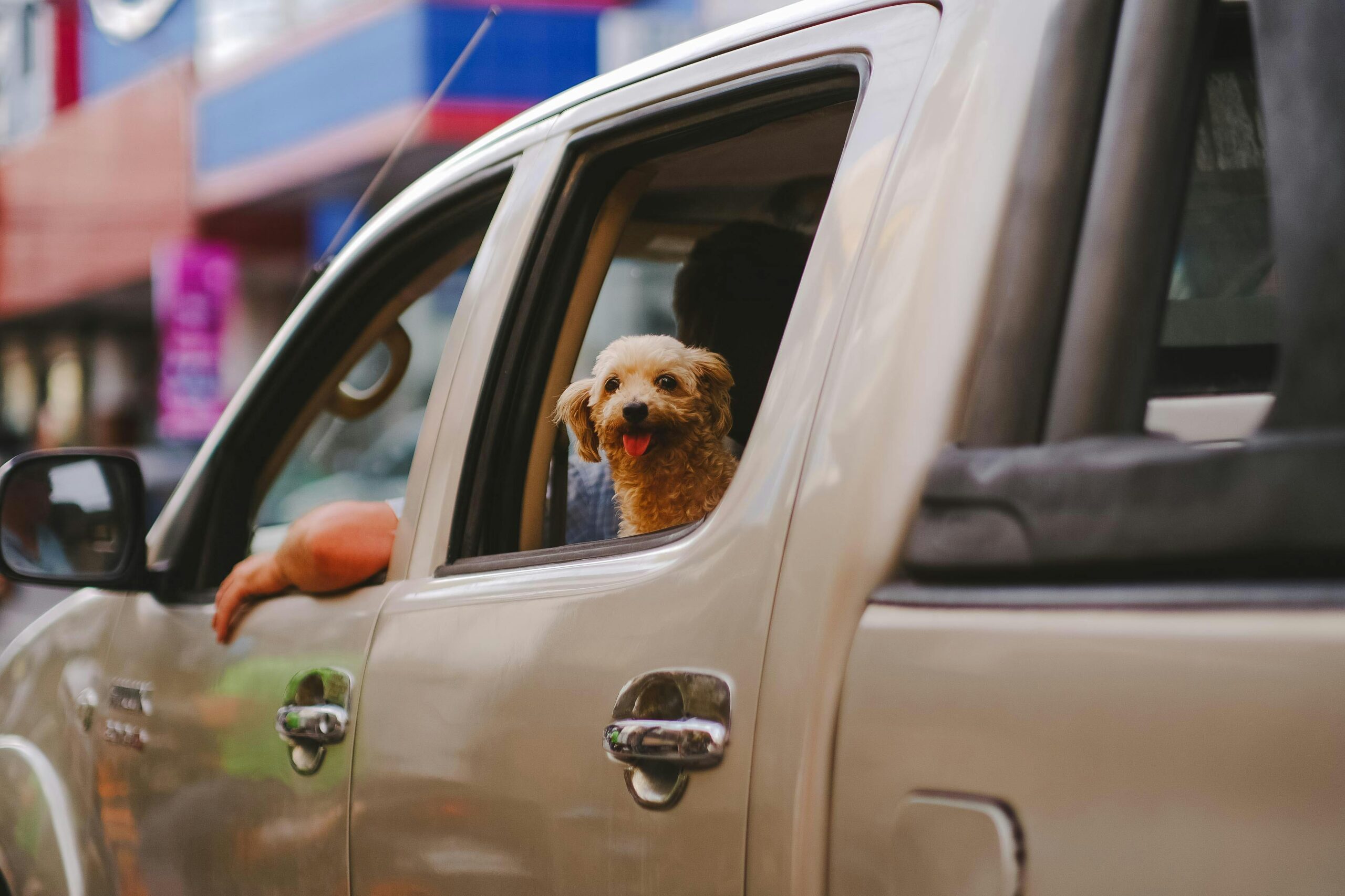
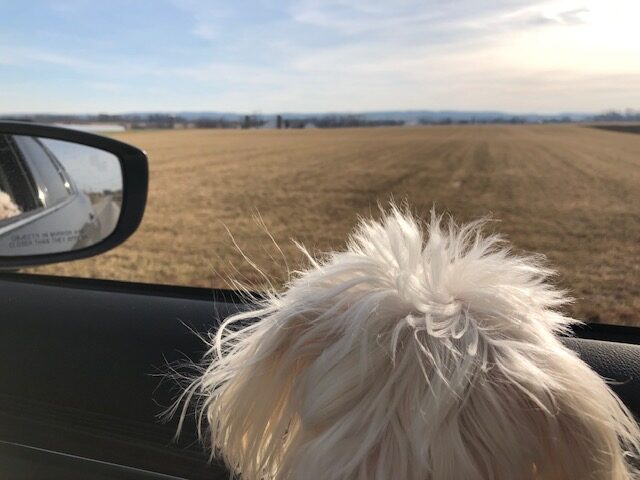
Road trips with your dog require a bit of extra planning, but the memories you create together are absolutely worth it. Don’t forget to enjoy the little moments along the way: let them stick their head out the window and feel the breeze, take lots of photos you’ll cherish later, and let them safely explore nature along the route. These are the moments that make traveling with your dog so special. And if flying with your pet is also on the horizon, check out my guide on 5 Essential Tips for Flying with Pets for everything you need to know before you book your trip.
Frequently Asked Questions About Road Trips with Dogs
How often should I stop for my dog on a long drive?
A good rule of thumb is to stop every 2–3 hours to give your pet a bathroom break and a short walk. If your dog is not used to car rides, I would recommend starting with more frequent breaks and planning for an overnight stay rather than driving straight through.
Do I need to visit the vet before a road trip with my dog?
It’s a good idea, especially if it’s their first long trip or if they tend to get anxious or carsick. Your vet can give them a general health check and may recommend calming supplements to make the journey more comfortable. It’s also a great time to discuss tick prevention, since rest stops and grassy areas along the road can be prime tick territory. Make sure their vaccinations are up to date and documented, particularly if you’re crossing state lines or staying at pet-friendly accommodations.
Can I leave my pet alone in a hotel room during a road trip?
Honestly, I’d avoid this unless your pet is already comfortable being left alone at home. A new, unfamiliar environment can make it much more stressful for them. If you must, keep it brief, lay down pee pads, and leave a familiar blanket or toy for comfort. Always check the hotel’s policy first, as many don’t allow unattended pets.